
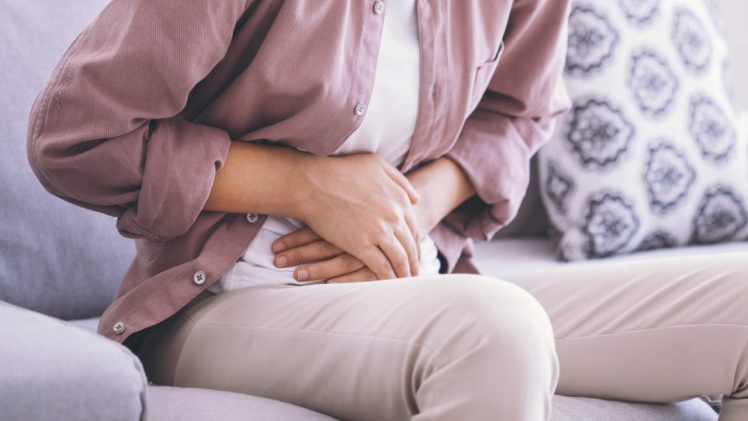
Polycystic Ovary Disorder is characterised by the growth of multiple cysts on the ovaries, irregular menstrual cycles, and elevated levels of male hormones. PCOD can lead to various health problems, such as infertility, insulin resistance, and obesity. It can undoubtedly be managed effectively through lifestyle changes and medication. This article will discuss how you can manage your symptoms at home.
Dietary Changes
One of the primary ways to manage its symptoms is to make dietary changes. A healthy and balanced diet can help regulate insulin levels and reduce inflammation. Some dietary changes that can be helpful include:
Eating a low glycemic index (GI) diet: A low GI diet consists of foods with a lower impact on blood sugar levels. This can help regulate insulin levels and improve symptoms. Low GI foods include whole grains, fruits, vegetables, and lean proteins.
Consuming anti-inflammatory foods: Eating foods with anti-inflammatory properties can help reduce inflammation, which is often associated with this condition. Foods with anti-inflammatory properties include fatty fish, nuts, seeds, and leafy greens.
Avoiding processed and sugary foods: Processed and sugary foods can cause spikes in insulin levels, worsening symptoms. Avoiding these foods can help regulate insulin levels and improve symptoms.
Exercise
Regular exercise can manage this condition’s symptoms. Exercise can improve insulin sensitivity, reduce inflammation, and help you lose weight. Some types of exercise that can be helpful include:
Aerobic exercise: Aerobic exercises, such as jogging, cycling, or swimming, can help improve cardiovascular health and aid in weight loss. It can improve cardiovascular health, aid in weight loss, and regulate insulin levels. It is essential to choose a type of exercise suitable for your fitness level and start slowly and gradually increasing intensity and duration. Regular aerobic exercise can improve your overall health and well-being and effectively manage your symptoms.
Yoga: Yoga can help reduce stress levels and benefit women with this issue. It can also help improve flexibility and balance.
Stress Management
Stress can worsen the symptoms by increasing inflammation and disrupting hormone levels. Therefore, managing stress levels is essential to managing this condition’s symptoms. Some ways to manage stress include:
Mindfulness meditation: Mindfulness meditation can help lower stress levels and improve mood.
Yoga: As mentioned earlier, yoga can help reduce stress and improve relaxation.
Medications: In addition to lifestyle changes, medications can also be used to manage the symptoms. Some helpful medications, such as spironolactone, can help reduce the effects of male hormones on the body. They can help reduce symptoms such as acne and excess hair growth.
Supplements
Certain supplements may also help manage the symptoms. Vitamin D supplements, Inositol, and Omega-3 fatty acids are particularly effective. It is important to note that while supplements can be helpful, they should not be used as a substitute for a healthy diet and lifestyle. In addition, it is essential to choose high-quality supplements from reputable manufacturers to ensure their safety and effectiveness.
In conclusion, PCOD is a complex hormonal disorder that can be challenging to manage. However, by making lifestyle changes such as dietary modifications, exercise, stress management, and medications, women can effectively manage their symptoms and improve their quality of life. Working closely with a healthcare provider to develop a comprehensive treatment plan that meets your needs is essential. Women with this condition can live healthy and fulfilling lives with the proper treatment and support.
