
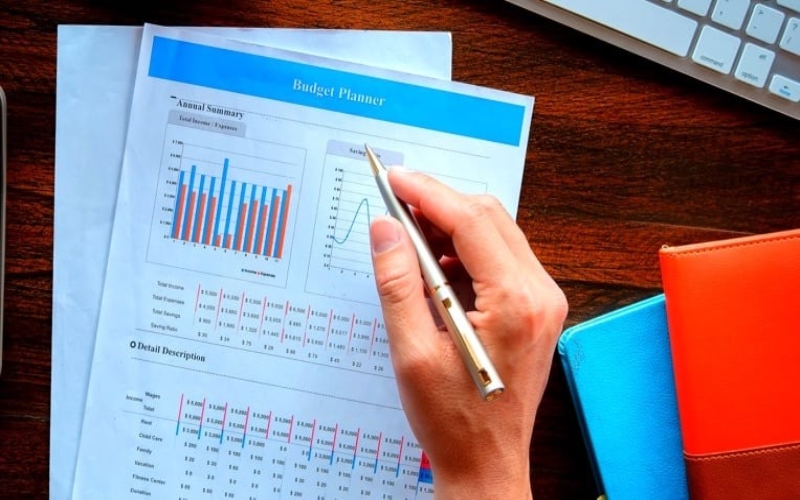
Service charges often account for a significant portion of monthly expenses. Efficient management and strategic planning can lead to substantial savings. This handbook provides comprehensive strategies to reduce utility bills, ensuring financial prudence and environmental stewardship.
Understanding Utility Bills
Before diving into cost-cutting strategies, one must understand the components of utility bills. Typically, they include charges for electricity, water, gas, and sometimes trash and sewer services. Charges are based on usage and local rates. Detailed understanding of these bills aids in identifying areas where savings are possible.
Analyzing Usage Patterns
Analyzing past bills reveals usage patterns. Seasonal changes, lifestyle habits, and inefficient appliances significantly affect utility costs. Tracking usage over time helps in pinpointing areas requiring attention.
Electricity Savings
Electricity, typically the most substantial segment of service charges, offers numerous opportunities for cost reduction. Maximizing natural light during daytime, unplugging electronics when not in use, and using energy-efficient appliances are key strategies. Implementing timers or motion sensors for lights and regularly servicing HVAC systems can also lead to significant electricity savings.
Energy-Efficient Appliances
Investing in energy-efficient appliances, despite the initial expense, results in long-term financial benefits and environmental conservation. Opting for Energy Star-rated products is advisable, as they are rigorously tested and proven to consume significantly less electricity. These appliances not only lower monthly utility bills but also reduce carbon footprint, aligning with eco-friendly practices.
LED Lighting
Replacing traditional incandescent bulbs with LED lights significantly lowers energy consumption due to their higher efficiency. These bulbs have a markedly longer lifespan, which greatly diminishes the frequency of replacements. This transition not only reduces electricity usage but also cuts down on maintenance and replacement costs, offering both ecological and economic benefits.
Smart Thermostats
Smart thermostats stand at the forefront of home automation technology, optimizing heating and cooling systems with remarkable precision. These devices intelligently adjust indoor temperatures based on real-time occupancy data and user-set preferences. This tailored approach ensures energy is utilized efficiently, significantly reducing wastage, especially during periods when the house is unoccupied. Their intuitive interfaces and remote control capabilities offer an added layer of convenience and control over home energy use.
Water Conservation
Water bills can experience considerable reductions through careful consumption and straightforward home modifications. Adopting water-saving habits, installing efficient fixtures, and routine checks for leaks contribute to lowering water expenses. These simple yet effective measures not only curtail water usage but also promote sustainable living and long-term financial savings.
Low-Flow Fixtures
Installing low-flow showerheads and faucets is an effective strategy for water conservation. These fixtures are designed to reduce water flow, thereby minimizing overall water usage in showers and sinks. Despite the reduced flow, they maintain adequate water pressure, ensuring a satisfactory user experience. This simple upgrade can lead to substantial savings on water bills over time, making it an environmentally and economically sound choice for households.
Efficient Landscaping
Outdoor water use accounts for a large portion of water bills. Efficient landscaping, using drought-tolerant plants and efficient irrigation systems, can drastically cut outdoor water consumption.
Fixing Leaks
Small drips from leaking faucets can waste a significant amount of water over time. Regularly checking and repairing leaks in toilets, faucets, and irrigation systems can prevent unnecessary water loss.
Gas Bill Reduction
Gas bills, largely driven by heating needs, can be reduced through several methods.
Insulation and Weatherization
Improving home insulation and sealing drafts prevents heat loss, reducing the need for heating.
This can be achieved by adding the insulation to walls and attics, and using weatherstripping and caulking around windows and doors.
Water Heater Settings
Lowering the water heater temperature to a warm setting (around 120 degrees Fahrenheit) can reduce gas consumption without impacting comfort.
Regular Maintenance
Ensuring regular maintenance of heating systems keeps them running efficiently and prevents costly repairs.
Innovative Strategies
Beyond traditional methods, innovative strategies can further reduce these bills.
Renewable Energy Options
Solar panels and wind turbines, though requiring initial investment, can drastically cut long-term electricity costs. Many regions offer tax incentives or rebates for renewable energy installations.
Energy Audits
Professional energy audits identify specific areas where energy efficiency can be improved. Auditors use specialized tools to detect areas of energy loss and recommend cost-effective improvements.
Demand Response Programs
Participation in demand response programs, offered by many utility companies, involves reducing usage during peak times in exchange for discounts or rebates.
Final Thoughts
Reducing these bills requires a multifaceted approach. It involves understanding usage patterns, investing in efficient appliances and fixtures, and adopting innovative strategies like renewable energy. Regular maintenance and professional audits further enhance efficiency. By implementing these strategies, one can achieve significant savings while contributing to environmental conservation.
