
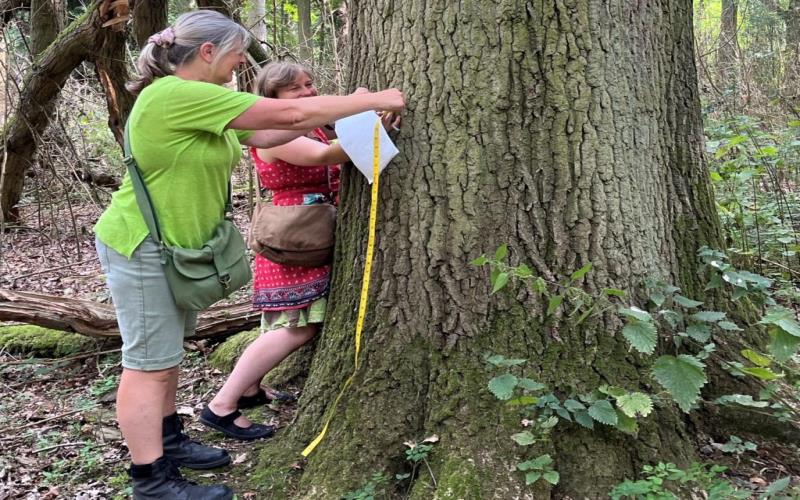
Trees are among the most majestic and vital living organisms on Earth. They offer an essential lifeline to all living creatures, providing oxygen, improving air quality, conserving water, preserving soil, and supporting wildlife. Beyond their ecological significance, trees also have cultural, aesthetic, and economic importance. They beautify our surroundings, offer shade, and play crucial roles in industries such as construction, paper, and even medicine. In this article, we will explore the role of trees, their anatomy, types, benefits, and some interesting facts, all while maintaining a human connection to this remarkable part of nature.
The Anatomy of a Tree
Before diving into the importance of trees, it’s essential to understand their anatomy. Each part of a tree serves a specific function that contributes to its overall health and role in the ecosystem.
Roots
The root system of a tree is its underground anchor, absorbing water and nutrients from the soil. Roots also store food and provide stability to the tree, preventing it from toppling during storms.
Trunk
The trunk is the supportive stem of the tree, carrying nutrients from the roots to the leaves. It contains different layers, including the outer bark (which protects the tree), the cambium (responsible for growth), and the heartwood (the central, sturdy core of the tree).
Branches and Leaves
Branches spread out from the trunk and house the leaves, which are the primary sites for photosynthesis. Leaves absorb sunlight, converting it into energy while taking in carbon dioxide and releasing oxygen—a process that makes trees critical for life on Earth.
Flowers and Fruits
Many trees produce flowers and fruits, which contribute to reproduction and the dispersal of seeds. Some trees rely on wind for pollination, while others depend on insects and animals.
Types of Trees
Trees come in an astonishing variety of species, each suited to different environments and climates. The two main classifications are:
Deciduous Trees
These trees shed their leaves annually, typically in the fall. Examples include oak, maple, and birch. Deciduous trees are commonly found in temperate zones where the seasons are well defined.
Evergreen Trees
Evergreen trees, as their name suggests, retain their leaves year-round. Pine, spruce, and fir are examples of evergreen trees, and they often thrive in colder, harsher climates where it’s advantageous to hold onto their leaves throughout the year.
The Importance of Trees
Trees play an indispensable role in our lives, offering benefits that go beyond the aesthetic value they bring to landscapes. Below are some of the key reasons trees are so vital:
1. Air Quality Improvement
Trees are often referred to as the “lungs of the Earth” because of their ability to absorb carbon dioxide (CO2) and release oxygen. Through photosynthesis, trees filter out pollutants, improving the air quality around them. A single mature tree can absorb up to 48 pounds of CO2 each year, making them natural carbon sinks in our fight against climate change.
2. Habitat for Wildlife
Trees serve as homes for countless species of animals, insects, birds, and even fungi. Birds build nests in their branches, squirrels store food in the bark, and insects find shelter in their roots. In a forest ecosystem, the biodiversity supported by trees is staggering.
3. Climate Control
Trees regulate temperatures by providing shade and cooling the air through the process of transpiration, where water is absorbed by the roots and then released into the atmosphere through the leaves. Urban areas with more trees experience less of the “heat island” effect, where temperatures can rise significantly due to concrete and asphalt.
4. Water Conservation
Trees play a critical role in the water cycle. Their roots help retain water in the soil, preventing soil erosion and flooding. Forested areas tend to have better water retention, contributing to groundwater supplies and reducing runoff.
5. Economic Value
The economic importance of trees cannot be overstated. Trees provide timber for construction, paper products, and countless other goods. Certain tree species are also used for medicinal purposes, such as willow trees, whose bark contains the compound used to make aspirin. Additionally, fruit-bearing trees are integral to the global food supply.
6. Mental Health and Wellbeing
Studies have shown that being around trees and nature has a calming effect on the human mind. Spending time in forests or tree-filled parks can reduce stress, anxiety, and depression. This is one reason why urban planners are emphasizing the need for green spaces in cities—trees not only enhance physical health but also improve mental well-being.
Interesting Facts About Trees
- Oldest Trees: The oldest living tree is a Bristlecone Pine in California, estimated to be over 5,000 years old.
- Tallest Trees: The tallest trees in the world are the California Redwoods, which can grow to over 300 feet tall.
- Most Common Trees: The most widespread tree species in the world is the red mangrove, found in tropical and subtropical regions across the globe.
The Threats to Trees
While trees offer many benefits, they are not immune to threats. Deforestation, diseases, and climate change are putting global tree populations at risk.
1. Deforestation
Large-scale logging and land clearing for agriculture have resulted in the loss of millions of acres of forest worldwide. The Amazon Rainforest, often referred to as the “lungs of the Earth,” is being cut down at alarming rates, leading to habitat destruction and loss of biodiversity.
2. Pests and Diseases
Invasive pests and diseases are another significant threat to trees. For example, the Emerald Ash Borer is a beetle that has destroyed millions of ash trees in North America. Similarly, fungi such as Dutch Elm Disease have wiped out entire species in some regions.
3. Climate Change
As global temperatures rise, trees face new challenges. Many species are unable to adapt quickly enough to changing weather patterns, leading to drought stress, increased susceptibility to pests, and even death.
How to Protect Trees
To preserve trees and their benefits, we must take proactive steps:
- Reforestation: Planting new trees, especially in deforested areas, helps restore ecosystems and combat climate change.
- Sustainable Forestry: Supporting companies that practice sustainable logging can help reduce the impact of deforestation.
- Urban Tree Programs: Many cities have initiatives to plant trees in urban environments, which help improve air quality and reduce the heat island effect.
- Education and Advocacy: Raising awareness about the importance of trees and advocating for their protection can lead to better policies and conservation efforts.
FAQs About Trees
Q1: How long do trees typically live?
The lifespan of a tree depends on the species. Some trees, like willows, may live only a few decades, while others, like redwoods, can live for hundreds or even thousands of years.
Q2: What is the fastest-growing tree species?
The fastest-growing tree species is the Empress Splendor (Paulownia tomentosa), which can grow up to 15 feet in its first year.
Q3: Can trees really improve mental health?
Yes, spending time around trees has been proven to reduce stress and improve mental well-being. This is why many cities invest in parks and green spaces.
Q4: How do trees combat climate change?
Trees absorb carbon dioxide, a greenhouse gas, from the atmosphere during photosynthesis, thus reducing the overall concentration of CO2, which helps mitigate climate change.
Q5: Are there trees that grow in deserts?
Yes, certain trees, such as the Mesquite and Date Palm, are well adapted to arid environments and can survive in desert conditions.
Q6: How do trees communicate with each other?
Trees communicate through a network of fungi in the soil, sometimes called the “Wood Wide Web.” This allows trees to share nutrients and even warn each other about pests.
Conclusion
Trees are more than just a scenic backdrop—they are fundamental to the survival of life on Earth. From improving air quality to supporting ecosystems, trees offer numerous benefits that we often take for granted. As the global climate crisis intensifies, the importance of preserving and protecting trees has never been clearer. By understanding the role of trees and taking steps to conserve them, we can ensure a greener, healthier planet for generations to come.
