
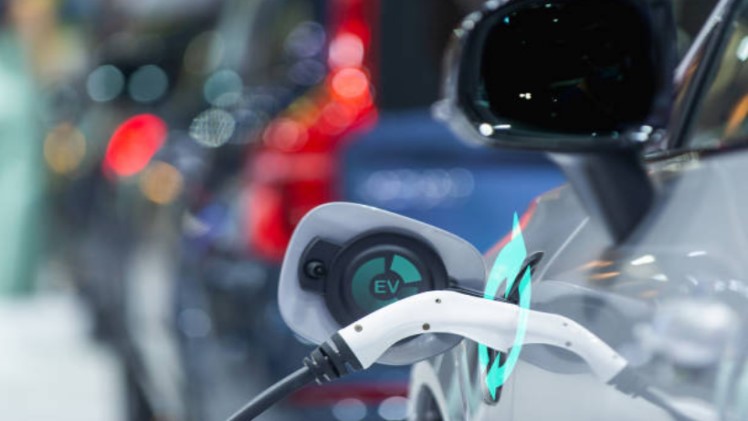
Tenants across Australia are becoming increasingly interested in living sustainably and responsibly, which has been driving many apartment buildings to investing in energy solutions that reflect their tenants’ wants and needs. One of the most popular aspects renters keep asking for is the electric vehicle (EV) charging stations – an initiative that comes with a wide range of potential benefits. Not only can providing these charging stations reduce operating costs across your building, but it more importantly allows tenants to do their part in reducing greenhouse gas emissions and carbon footprint on Earth. In this blog post, we’re going to dive into the details behind introducing EV employee or tenant car charging stations into your apartment building so you can make an educated decision about whether it would be beneficial for you or not.
The Benefits of Installing Electric Vehicle Charging in Apartment Buildings
As more and more people opt for electric cars, it’s no surprise that the demand for electric vehicle (EV) charging stations is on the rise too. While public charging stations have mushroomed in cities, many apartment building residents are still facing a woeful dearth of EV charging infrastructure. Nonetheless, property owners and landlords can no longer ignore the need to equip their properties with charging ports if they want to entice EV drivers to choose their establishments. Here are five reasons why it’s worthwhile to install electric vehicle charging stations in apartment complexes.
1. Cater to tenants’ needs
With the number of EV owners increasing rapidly, installing charging ports in apartment buildings has gained traction. By offering the convenience of charging their cars overnight, you can significantly increase demand for your rental units. Providing an essential amenity for EV owners makes your property stand out, adding value to your investment.
2. Increased revenue opportunities
EV charging also creates an additional stream of revenue for commercial and residential property owners. Property owners can offer to supply charging stations for a fee, generating profits for long-term maintenance, operation, and upkeep costs. Not to mention, free usage of charging stations can be reserved exclusively for tenants, making rental units more attractive to environmentally-conscious renters.
3. Reduce carbon footprint
The above benefits can result in more than just monetary gains. The installation of EV charging infrastructure encourages and incentivizes sustainable business practices. By promoting and encouraging environmentally-friendly initiatives such as the use of EVs, a landlord can establish themselves as socially responsible business owner.
4. Attract high-end tenants
Apartments with dedicated EV charging stations appeal to a tech-savvy, eco-friendly cohort. Prospective tenants are mindful of environmental policies, particularly those that slow climate change, in their decision-making processes. In addition to attracting luxury renters, deploying EV infrastructure can be a competitive advantage over other residential properties, particularly within progressive regions such as California.
5. Installations are economical
Due to advancements in EV technology and construction, the cost of installing dedicated charging locations has decreased drastically. The use of peak shaving technology or load management systems helps reduce energy and equipment costs, with smart charging technologies also becoming more accessible. Property owners can now quickly recoup their investment in EV charging infrastructure, which confronts the notion that installation is expensive and financially impractical.
The Regulatory Requirements for Implementing EV Charging Infrastructure in Australia
The introduction of EVs to the Australian market has been tepid, with the government only recently introducing a range of incentives for prospective buyers. That said, apartment building owners looking to make their properties EV-friendly should first familiarize themselves with relevant regulations and requirements on the state level.
Here are some regulatory considerations when seeking to install EV charging for apartment buildings infrastructure:
- The property must be wired and/or physically equipped for the installation of charging stations, with a dedicated circuit breaker of adequate amperage installed to ensure safety.
- Appropriate approvals from local building authorities should be obtained before initiating any installation work. In Australia, regulations vary depending on the state or territory.
- If a property is part of a strata scheme, the owner must first obtain written approval from the body corporate before implementing any EV infrastructure.
- In some locations, a dedicated power supply and/or dedicated circuit breakers may be required for each charging station.
- Local government incentives are available in some states, with subsidies or rebates offered to property owners that install EV charging infrastructure.
With greater demand for electric vehicles and more manufacturers entering the market, now is the time to consider introducing EV charging infrastructure in your apartment building. The benefits of installing this technology are clear: enhancing desirability among prospective tenants, generating additional revenue streams, reducing energy costs, and promoting environmentally-friendly practices.
Make sure to familiarize yourself with local regulations and requirements, as they can vary widely depending on the area or jurisdiction in question. By following these steps, you’ll be well prepared to install EV charging infrastructure at your property, unlocking a wealth of potential benefits for you and your tenants.
The Cost Benefit of Installing Electric Vehicle Charging Ports in Apartment Buildings
There are many ways that installing electric vehicle (EV) charging ports can benefit apartment buildings. Not only do they help to attract high-end tenants, reducing vacancy rates and boosting rental income, but they also create new revenue streams through the sale of electricity. Furthermore, owners can reduce energy costs by taking advantage of peak shaving and load management technology.
The cost of installations depends largely on the size of the property, with smaller units typically having a lower installation cost. However, even for larger buildings that require more complex installations, the cost-benefit is usually in favor of the owner. For example, apartment owners may be eligible for incentives ranging from tax breaks to government subsidies and rebates.
Apart from financial benefits, EV charging ports can also help to reduce the environmental footprint of a building. By promoting the use of zero-emission vehicles, apartment buildings can become greener and more sustainable.
Conclusion
Installing EV charging infrastructure in apartment buildings is an excellent way to reduce vacancy rates, increase rental income and create additional revenue streams. The cost of installation can be offset by taking advantage of available financial incentives, and the benefits to the environment should not be overlooked. Investing in EV technology now can help you to unlock hidden potential for your property in the long run.
