
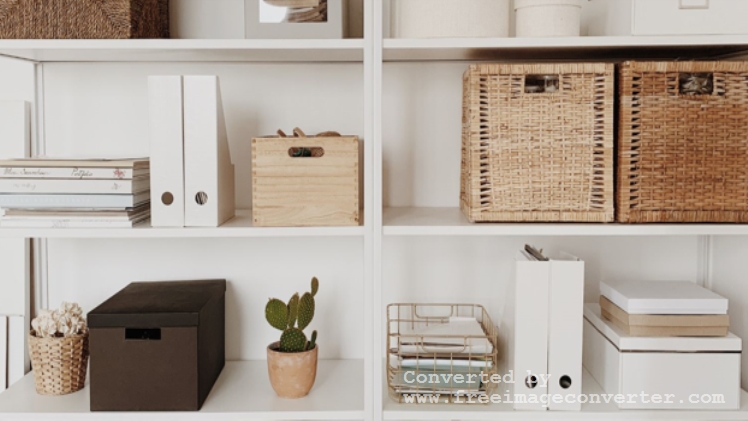
A critical part of creating a successful product is its packing material. It may seem simple, but it forms the backbone of your product’s branding and presentation. The correct material serves multiple purposes, from keeping your item safe and hygienic to attracting customers. Packaging also goes a long way in molding the perception of people for your brand. The reverse is also true. A wrong material choice can inflict damage to the product, brand reputation, and, ultimately, sales. Keep reading to learn how to find the right material for your packaging needs.
Identify Your Product and its Packaging Needs
The first step in the product packaging process is finding out the kind of item you sell. Businesses in the construction, agriculture, or pharmaceutical domains should go with industrial packing material as these keep the items safe during shipping.
On the other hand, eCommerce business owners should focus more on the types of packaging materials and designs that captivate potential customers.
Another thing to consider is your business objective. Ask yourself the reason for creating the product to package, its size, and price, and analyze your competition. Reflect on where the consumer will keep the product after buying. For example, an item that would be kept on a kitchen island would be vastly different than something that a person would want to display on their social media page.
Also, find out what packaging box material your competitors are using. Analyze its design and functionalities so you can use packaging that differentiates your brand.
Types of Packaging Materials with Their Pros and Cons
Packaging can be tricky as various types of materials have distinct qualities. Each has its unique advantages and disadvantages. Carefully assessing them will help you avoid wasting your budget and time on options that don’t serve well.
Glass
Glass is one of the oldest and reliable materials for packing. It has been used for many decades as a primary material for medical packaging solutions. This packing material is impermeable, sustainable, and recyclable.
-
Pros
- Glass is harmless. It guarantees that consuming the product in question doesn’t cause any harm to our health.
- Offers great visibility into the product.
- Glass is a moldable material. So, there are many ways that it can be used as a packing container.
- The material is 100% recyclable and so can be reused easily.
-
Cons
- Glass is very fragile, which means that it can break easily.
- The material is heavier than others.
- The cost of producing and manufacturing glass is quite high.
Corrugated cardboard sheets
A corrugated cardboard sheet is a kind of packing material made of various layers of materials. There are two elements of this packaging, a liner, and a medium. The liner is a thin cardboard piece, whereas the medium is a kind of fluted paper folded accordion-style. This design provides more durability and insulation to the contents of the package.
-
Pros
- Corrugated packaging comes in various sizes, shapes, and varieties. It can also feature printed designs.
- This material is fully recyclable and environmentally friendly.
- Corrugated cardboard sheets are protective and durable. The packaging can be made crush-proof and tear-proof.
- This material is affordable since it’s made from raw materials. So, it’s perfect for brands looking for cost-effectiveness in packaging.
-
Cons
- The packaging isn’t weatherproof.
- Under extreme pressure, corrugated cardboard sheets can lose their shape.
- This type of packaging, while recyclable, isn’t reusable.
Aluminum
Aluminum packaging is considered a sustainable option as it is implicated in environmental toxicity. Brands in the cosmetics or beauty industry can opt for aluminum packaging for hair products, lotions, and dry shampoo.
-
Pros
- Aluminum is ‘endlessly recyclable.’ It is not biodegradable and takes nearly 500 years to decompose.
- The material is opaque. It is impervious to gases.
- Aluminum packaging is lightweight.
-
Cons
- Aluminum packaging can be quite expensive.
- This material doesn’t support corrosive items.
- Aluminum is highly vulnerable to blows, which can pose issues in its transport.
Plastic
Plastic is a strong and durable product packaging material. There are various types of plastic packaging, such as Low-density Polyethylene, High-density Polyethylene, and PP or Polypropylene. It is an energy-efficient material, so you can ship more products using less fuel.
-
Pros
- The material can be produced by adapting several different forms.
- Plastic is very strong and tough to break.
- The material is suitable for various types of products.
-
Cons
- Plastic is not biodegradable, so it adversely impacts the environment.
- It can absorb odors quickly.
- The material can deform under extreme heat.
Envelopes and bubble mailers
These are easy options to ship small and softer objects such as clothing. They have bubble wrap built-in padding. These packing materials are also ideal for delicate products.
-
Pros
- The material is available in various sizes and is suited for a range of applications.
- They can easily fit into mailboxes. Thus, customers don’t have to go through the hassle of collecting their packages at the post office.
- There’s a plastic coating around bubble mailers. It secures from liquids. So the chances of the product getting damaged by the rain are less.
-
Cons
- Envelopes can be easily damaged by punctures and weighty objects.
- This packing material has a high risk of getting damaged in transit if heavy objects are put on top of it.
- The materials cannot be used for rectangular objects with sharp corners.
Essential Factors to Consider While Choosing a Packaging Box Material
Indeed, the number of options for packing materials is immense. But there’s no need to become overwhelmed when it’s time to choose. Here are some key factors to decide better.
1. Cost
The material you choose shouldn’t be very expensive. Otherwise, it will eat up your revenue. Have a clear view of your budget and choose a material that doesn’t put excessive financial strain on your company.
Don’t assume that the best quality packaging comprises the most expensive and highest quality materials. Although many customers pay slightly more for premium packaging, it is not worth the hassle if it goes above your budget.
2. Durability
The primary purpose of packaging is to secure your item. This is possible only when you use a durable material. The material should be strong and resistant to quick degradation. Some materials degrade faster than others. So, ensure that you find the best option as per your requirements.
Corrugated cardboard sheets and kraft paper offer both strength and durability. You can order samples of these materials and test them for quality and durability to make better decisions.
3. Sustainability
Did you know that according to the 2022 Global Buying Green report, 70% of consumers today view themselves as environmentally aware? So, it is essential to bear in mind how sustainable your packing material is. Such material will reduce your company’s carbon footprint, which will impact the environment positively.
Compostable materials are good for food products as they are non-toxic. Glass is a suitable option for products with long shelf life. However, consider the trade-offs between various sustainable packing materials before making the final decision.
Addressing Environmental Concerns with Sustainable Packaging Options
Today, customers in the U.S. across all end-use segments are willing to pay more for sustainable packaging. Simply put, sustainability has become a crucial determining factor in their purchase. Here’s how these packaging options address environmental concerns.
- Decreased solid waste – The U.S. Environmental Protection Agency reports that packaging and containers account for a huge part of municipal solid waste. Reusable and recyclable material cuts down the amount of waste by a significant portion.
- Reduced reliance on fossil fuels – Fossil fuels are a non-renewable resource but are needed by all plastic products for production. Their burning releases a lot of carbon dioxide, exacerbating global warming. Sustainable product packaging reduces a business’s carbon footprint resulting from packaging manufacturing.
- Less utilization of natural resources – Today, significant amounts of natural resources are used to satisfy industrial demands, causing their depletion. Sustainable packaging, through its use of low-impact production processes and recycled materials, helps in conserving raw materials. This ensures the conservation of the resources for future generations.
- More energy efficiency – Conventional packaging depends on burning fossil fuels for manufacturing. It is harmful to the environment. On the other hand, many sustainable packaging manufacturers use alternative power sources such as wind and solar energy. It bodes well for sustainability initiatives.
Making the Best Packaging Material Choice for Your Business
To choose the best packaging material, consider what attracts your potential customers, protects your goods, and maintains their integrity. Great packaging serves the dual purpose of making your products stand out and emotionally engaging your customers. At the same time, it’s also essential to consider the sustainability aspect of packing. The usage of recycled and compostable packaging prevents the waste from going into landfills and motivates your buyers to be more conscious of the waste they produce.
Ucanpack creates, prints, and manufactures various packing materials and offers packaged design solutions to diverse sectors. The packaging products are thoughtfully made to shape your brand impression and influence perceptions. Packaging lies at the core of the brand image. So taking out time to choose the best material will certainly go a long way in helping you get the customer reaction you want.
